

Intergenerational Addiction: Breaking the "Family Bottle" Legacy
Addiction often feels like a family story written long before we take our first drink or use our first substance. For many, the patterns of substance misuse seem inherited, not just through behavior, but through biology itself. Understanding intergenerational addiction provides insight into why some people are more vulnerable and how breaking the cycle is possible.
At Tonya Coulliette Therapy, clients learn how family patterns, brain wiring, and epigenetic changes contribute to addiction risk. With compassionate guidance from an addiction therapist, individuals can break free from the legacy and reclaim control over their lives.

How Addiction Can Be Passed Down
Growing up in a home with addiction exposes children to environmental and behavioral influences that shape their brain and emotional responses. Children may observe coping mechanisms involving alcohol or drugs, internalize emotional regulation patterns, or develop stress responses linked to the family dynamic.
Beyond behavior, research in epigenetics shows that chronic stress and exposure to substances in the household can modify gene expression. These changes do not alter DNA sequences but affect how genes are turned on or off, influencing stress responses, reward pathways, and susceptibility to addiction.
Even before taking a first drink, the brain can be “wired” by these early experiences, creating a heightened vulnerability to addictive behaviors.
Epigenetics and Addiction
Epigenetics explains how environmental factors influence gene expression. In the context of addiction:
Children exposed to chronic stress or substance misuse may have genes associated with reward and stress regulation altered.
These modifications can impact neurotransmitter systems, affecting impulse control, emotional regulation, and susceptibility to cravings.
Epigenetic changes may be reversible through supportive environments, therapy, and consistent healthy habits.
Understanding these biological mechanisms shifts the perspective from blame to awareness, helping survivors of intergenerational addiction approach their recovery with compassion.
Family Modeling and Behavioral Patterns
Beyond biology, family modeling plays a crucial role in intergenerational addiction. Children learn how adults cope with stress, disappointment, and emotions by observing behaviors in the household. Some common patterns include:
Using substances to manage anxiety, sadness, or anger
Minimizing or hiding addiction to maintain family stability
Reinforcing cycles of secrecy, shame, or denial
These patterns are often repeated unconsciously, as children mimic the strategies modeled by caregivers. Recognizing these behaviors is the first step toward breaking the cycle.
The Role of Trauma
Growing up in a household with addiction often involves exposure to trauma. Emotional neglect, instability, or inconsistent caregiving can leave long-term impacts on stress responses and brain development.
Trauma can heighten vulnerability to addiction by:
Increasing sensitivity to stress
Encouraging maladaptive coping strategies
Affecting emotional regulation
Therapeutic support from an addiction therapist can address both trauma and intergenerational patterns, allowing clients to understand their triggers and develop healthier coping strategies.
Breaking the Cycle
While intergenerational addiction may create predispositions, it does not determine destiny.
Steps toward breaking the cycle include:
Education: Understanding how epigenetics and family modeling influence addiction provides insight and reduces self-blame.
Therapy: Working with an addiction therapist supports healing from trauma, teaches coping strategies, and helps clients navigate triggers.
Mindful Awareness: Observing family patterns without judgment allows for conscious decision-making about behaviors and lifestyle.
Healthy Environment: Surrounding oneself with supportive, substance-free individuals reinforces positive change.
Consistency: Practicing healthy habits, emotional regulation, and self-compassion strengthens resilience and reduces risk.
At Tonya Coulliette Therapy, clients receive guidance tailored to their personal history, empowering them to break the “family bottle” legacy and reclaim their lives.
Recognizing Your Patterns
A critical step in overcoming intergenerational addiction is recognizing personal patterns shaped by family dynamics. Ask yourself:
Are there triggers tied to family experiences?
Do certain emotional states increase cravings or risky behaviors?
What coping strategies did you learn growing up, and which do you want to change?
Awareness allows individuals to disrupt automatic responses and create healthier, conscious choices.
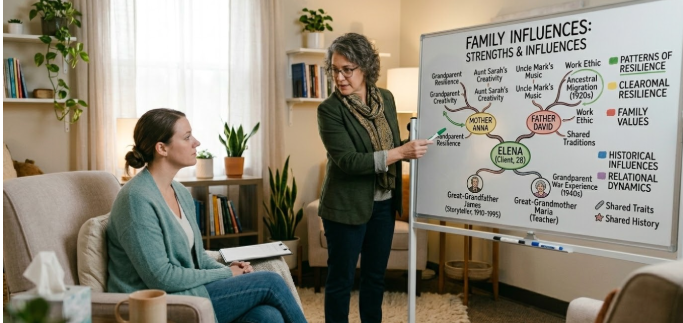
Healing Across Generations
Breaking intergenerational addiction is not just about individual recovery, it influences future generations. By understanding epigenetic influences, modeling healthy coping mechanisms, and seeking support, survivors can create a legacy of resilience rather than dysfunction.
Working with professionals ensures that strategies are tailored to individual needs, addressing both biological vulnerabilities and behavioral patterns. The process is empowering, offering hope that the cycle can end with the present generation.
Moving Toward Recovery
Intergenerational addiction is complex, but recovery is achievable. By combining insight into epigenetics, awareness of family modeling, and professional support from an addiction therapist, individuals can take control of their own story.
Tonya Coulliette Therapy helps clients transform understanding into action, breaking patterns of addiction, healing trauma, and fostering long-term resilience. With the right guidance, individuals can replace inherited patterns with a foundation of health, stability, and self-compassion.
FAQs
What is intergenerational addiction? Intergenerational addiction refers to patterns of substance use and related behaviors that pass from one generation to the next through biology, modeling, and environment.
How does epigenetics influence addiction? Epigenetics shows how environmental factors, including stress and exposure to substances, can alter gene expression, increasing susceptibility to addiction.
Can intergenerational addiction be prevented? Yes. Awareness, therapy, and supportive environments help break the cycle and reduce risk for future generations.
How can an addiction therapist help? An addiction therapist provides guidance in understanding family patterns, managing triggers, healing trauma, and developing healthy coping strategies.
Is it possible to overcome family patterns of addiction? Absolutely. With education, therapy, and consistent healthy habits, individuals can break the cycle and create a healthier legacy.



Comments